Elena grew up in a house where the oven never really went out. Her grandmother cooked for eleven every Sunday in a village outside Bari, and the only thing she ever measured was the fire. When Elena took the lease on a tired shopfront on Rathdowne Street in 2019, the first thing she did was tear out the gas line.
It was not a business plan so much as a stubborn idea: that food tastes better when something is actually burning, and that a small room full of people eating loudly is worth more than any amount of polish. We opened with thirty-eight seats, one grill and a menu written on butcher paper each afternoon.
Seven years on, the butcher paper is still there. So is the grill, though it has been rebuilt twice. The room holds forty-two now, and on a Friday it sounds like it holds a hundred.
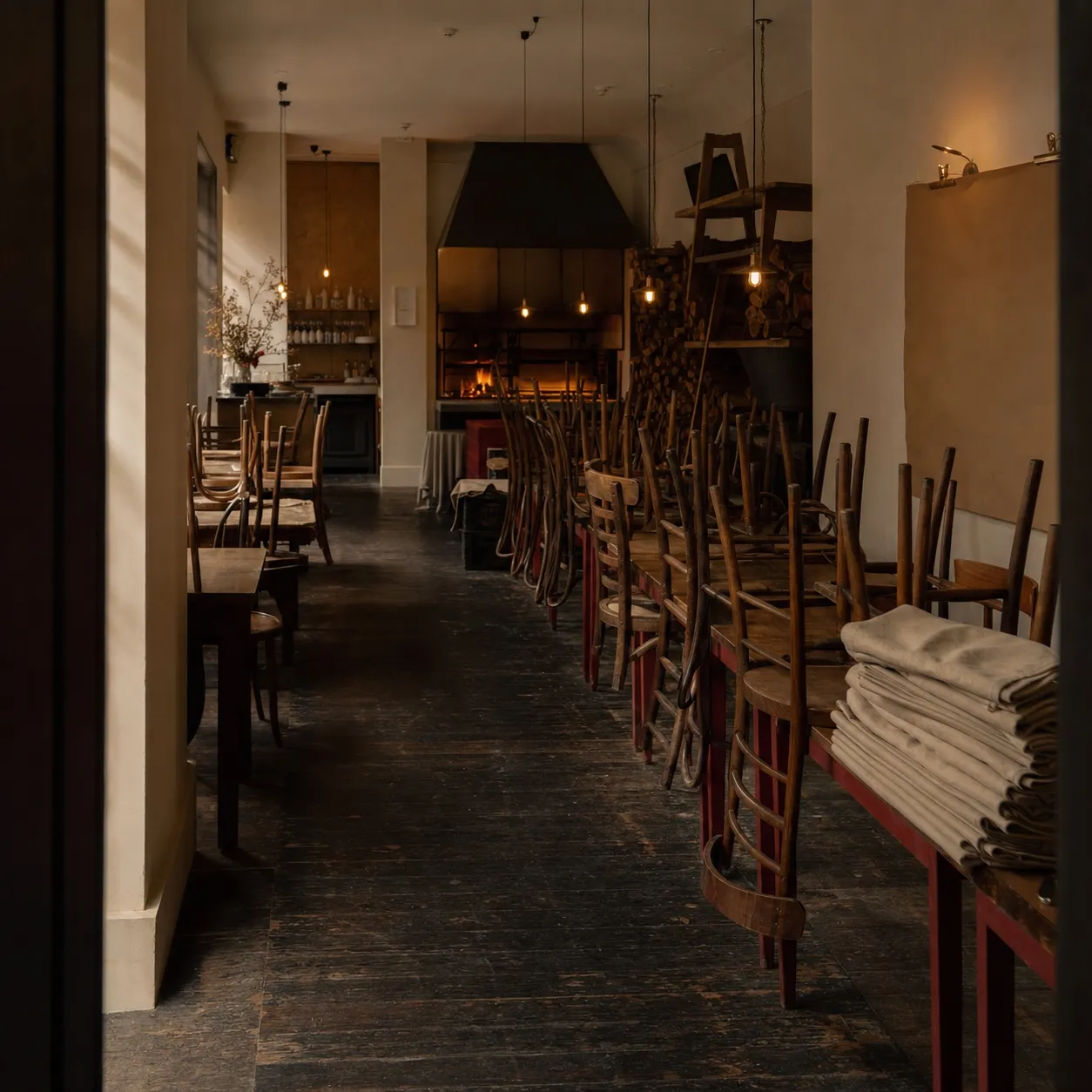
Rathdowne Street, the week before we opened.
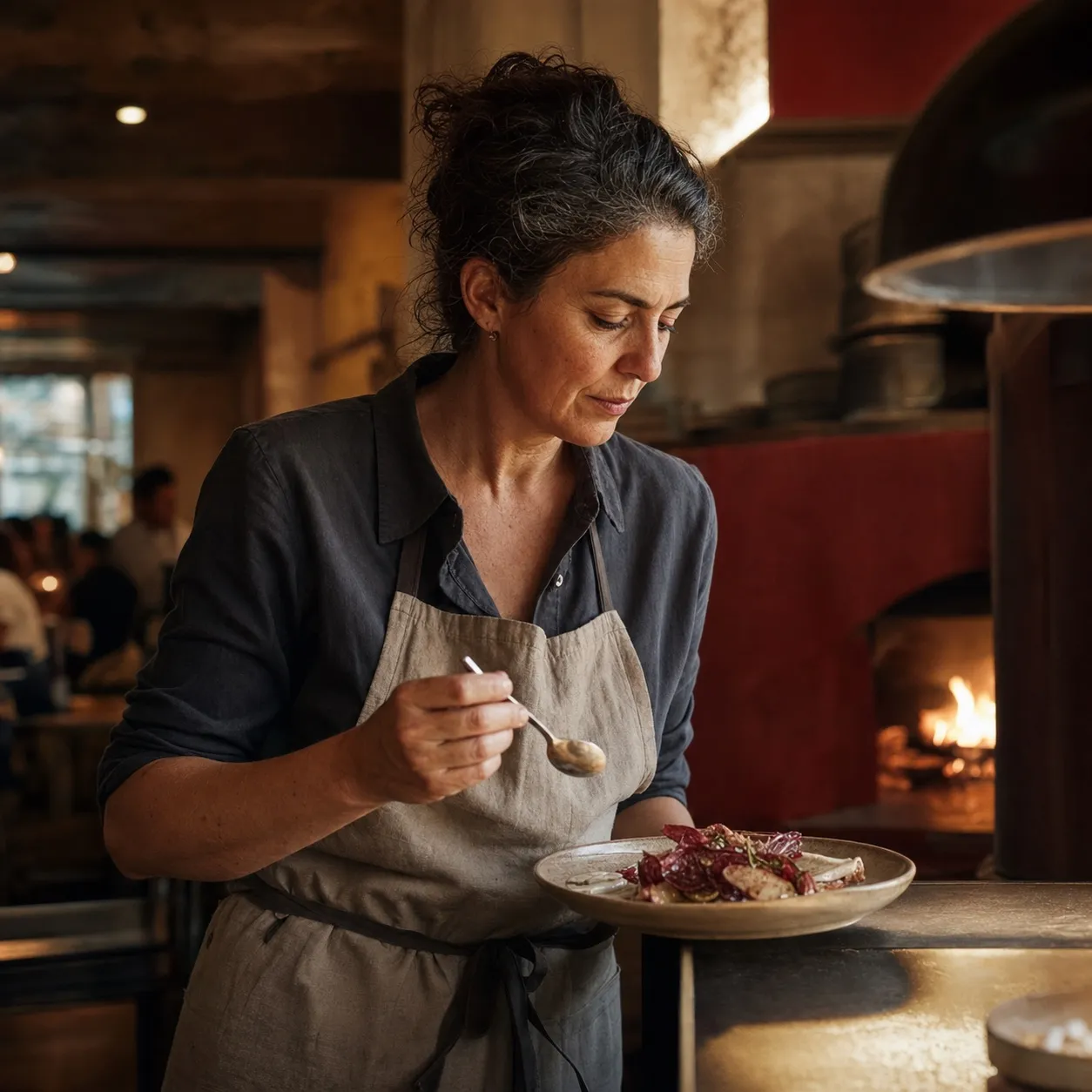
Everything that leaves this kitchen has been near an open flame — the bread, the fish, the vegetables, even the fruit in the panna cotta. There is nowhere to hide, which is exactly why we do it.
The grill is lit at nine in the morning and banked down at midnight. It burns red gum and ironbark from a family outside Bendigo who have been cutting it for three generations, split and seasoned two years before it reaches us. Nothing is charcoal-briquette quick. A shoulder of lamb takes six hours, and the person watching it does very little except watch it.
Red gum for the long, slow heat. Ironbark when we want the grill hard and fast. Both burn clean enough to cook fish over, which not all hardwood does.
The menu is written after the market and before the fire is up to heat. If something did not arrive well, it is not on the list that night. Nothing is held over.
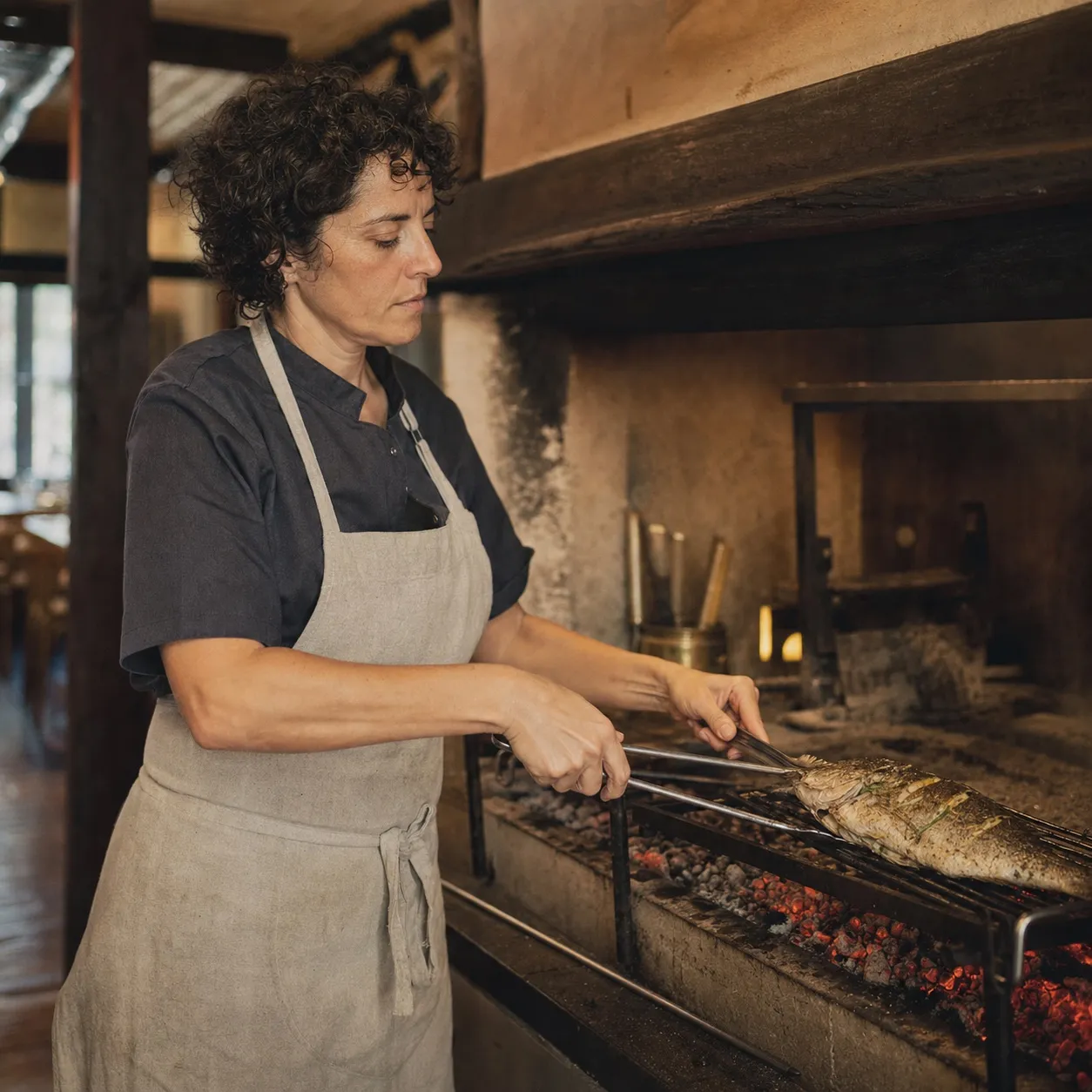
Elena BelliniOwner
Signed the lease, tore out the gas line, cooked every service herself for the first five years. Still tastes everything before it leaves the pass.
Chiara FerroHead chef
Ten years in Piedmont before she came south, and a conviction that a dish should have no more than four things on it. She writes the menu every afternoon.
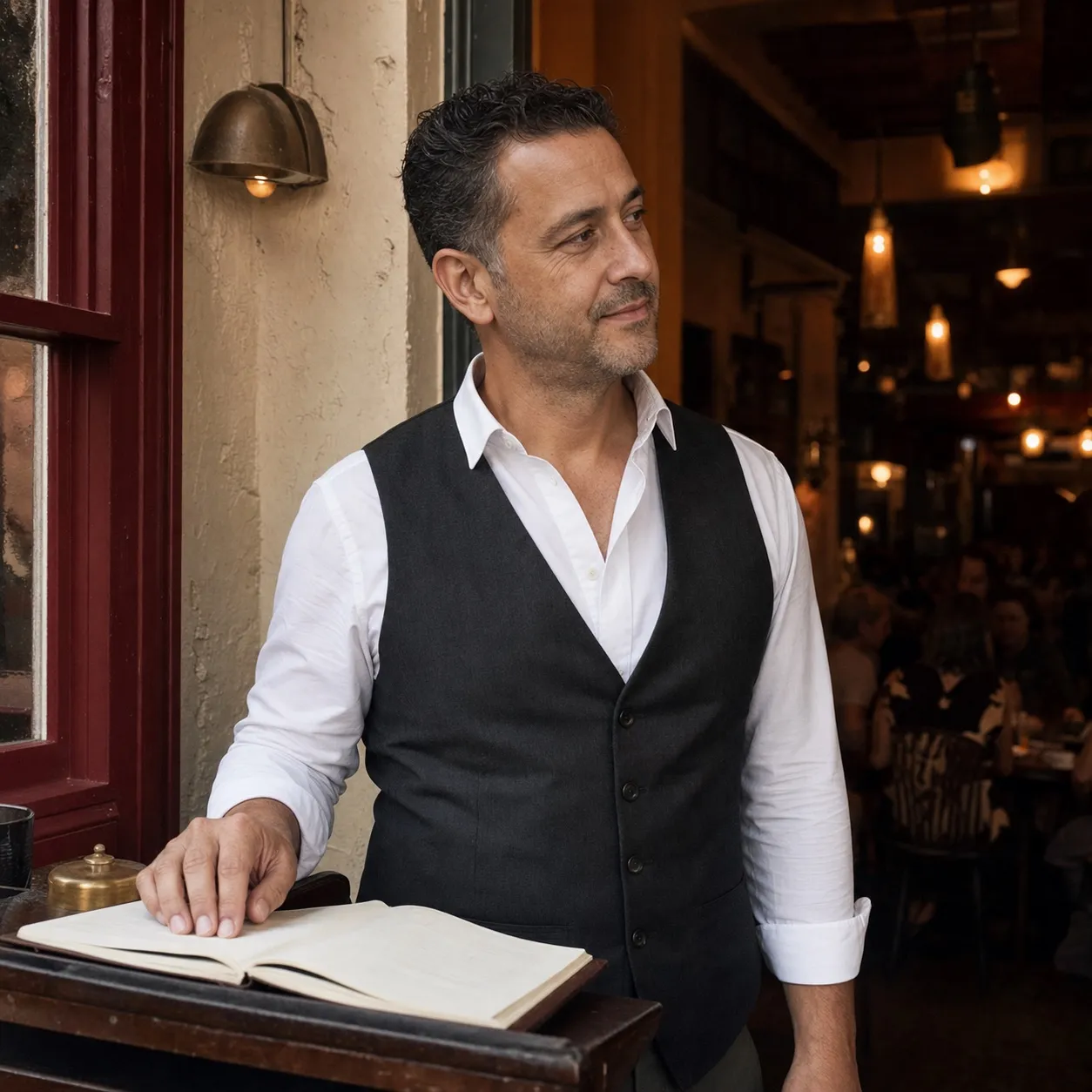
Marco RossiFront of house
Works the door, keeps the book, remembers what you drank last time. If you have called the restaurant, you have spoken to Marco.
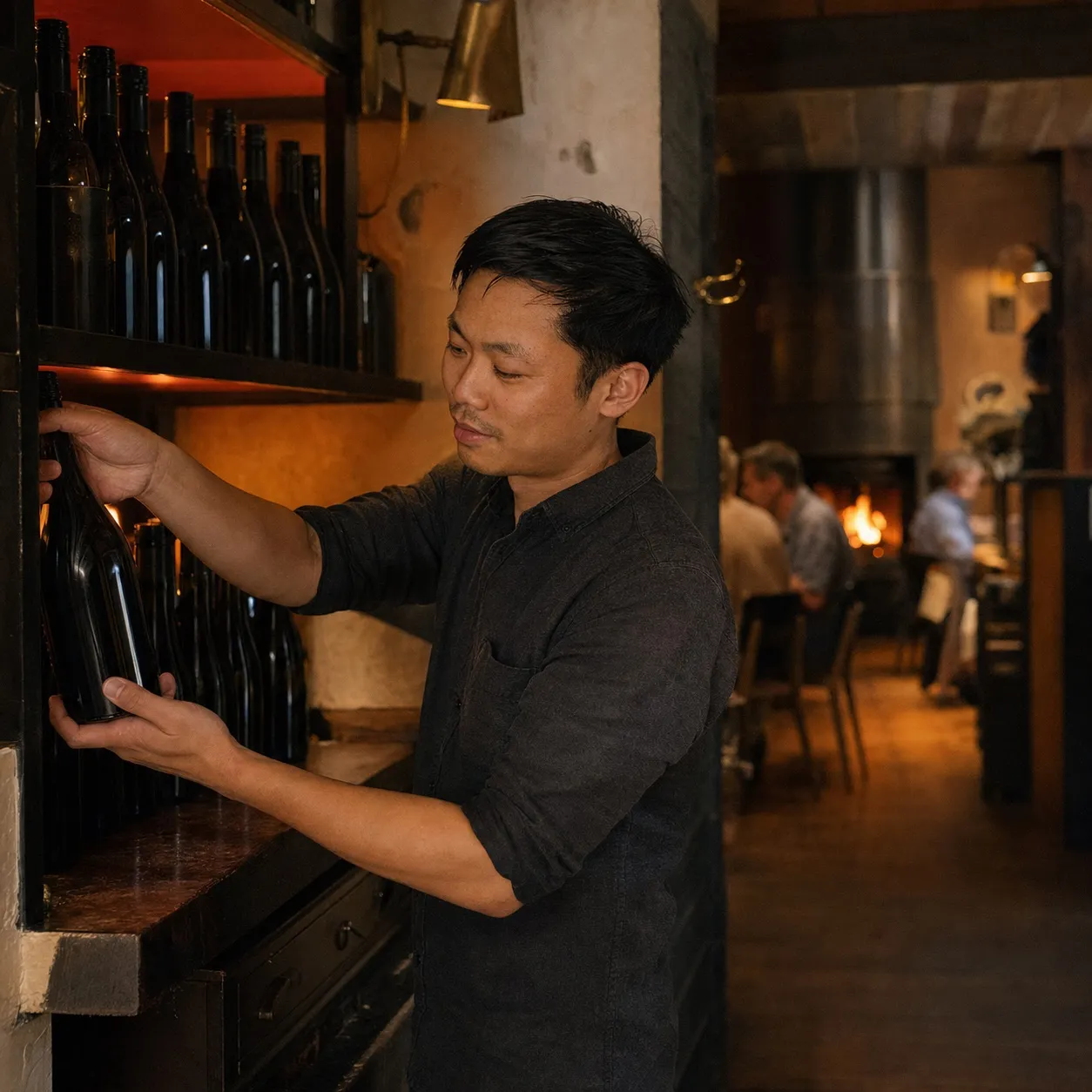
Tom NguyenBar · Wine
Keeps a hundred and eighty bottles on the list and can talk you out of the one you were going to order. Never precious about it.
Short lists, long relationships. Most of what we cook travels less than three hours to get here, and we have been buying from the same handful of people since the first year.
The furthest anything on the menu travels to reach the kitchen — with one deliberate exception.
Grass fed, dry aged forty days in our own room. Whole animals, which is why the menu changes as we work through them.
Line caught and landed that morning. Whatever the boats bring in is what goes over the coals — we do not order a species, we order a box.
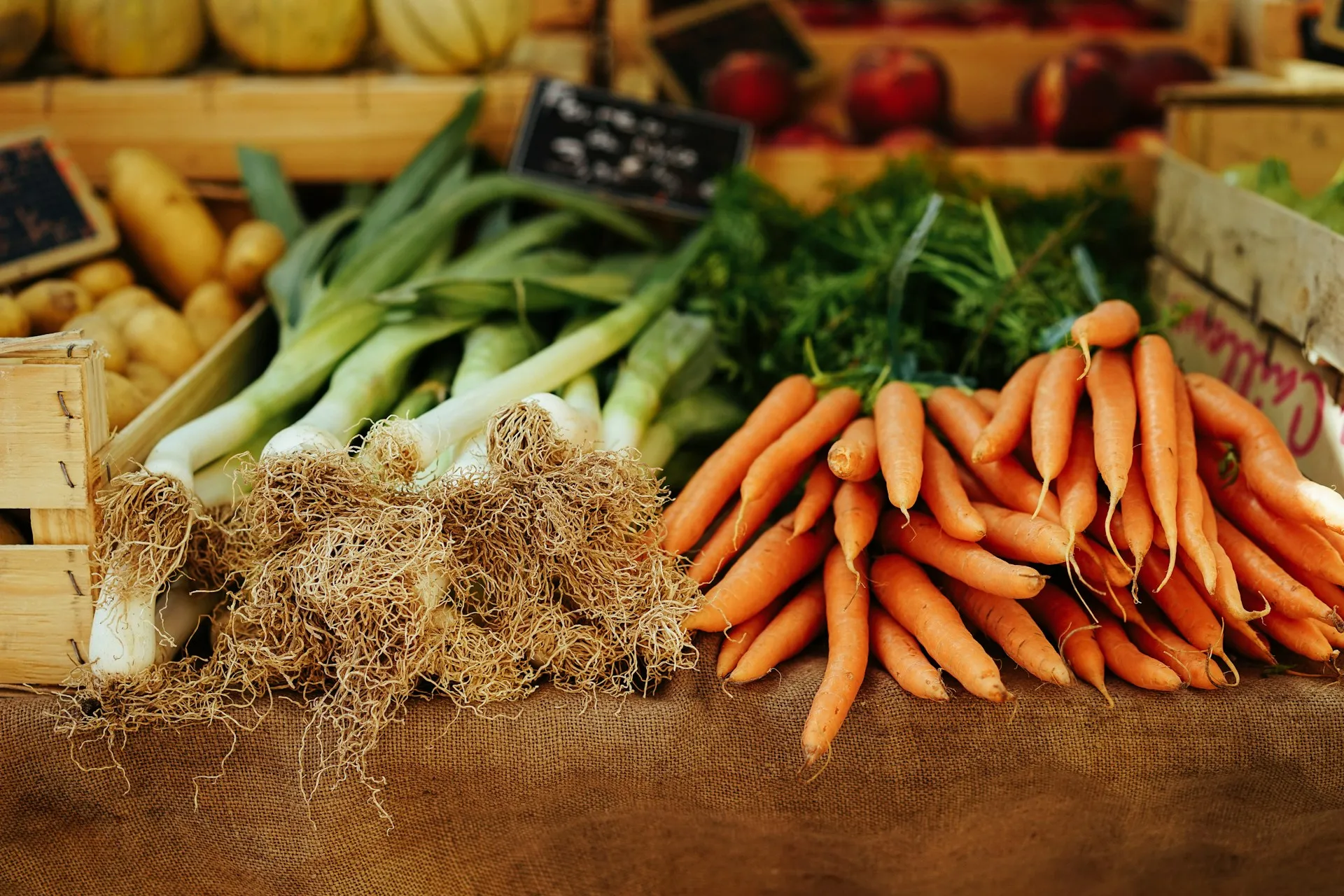
Two growers, picked the day before. In August that means chicory and not much else, and we would rather cook chicory well than fly something in.
Stoneground wheat from western Victoria for the bread and the pasta. The oil is the one exception to the three-hour rule — it comes from the town Elena's grandmother cooked in.
“A room that has worked out exactly what it is. The lamb shoulder alone is worth the trip north of the city.”
“There is no gas in the building and you can taste it in everything, right down to the fruit on the dessert.”
“Loud, warm, unfussy and quietly very good indeed. Book further ahead than you think you need to.”
That is the whole story. The rest of it happens at the table — come and sit near the fire and we will tell you the parts we left out.